What is a queue stall at a supplier plant, and why it matters
A queue stall is when truck flow at a supplier's gate stops moving. Here's what causes it and why it shows up before the phone call does.
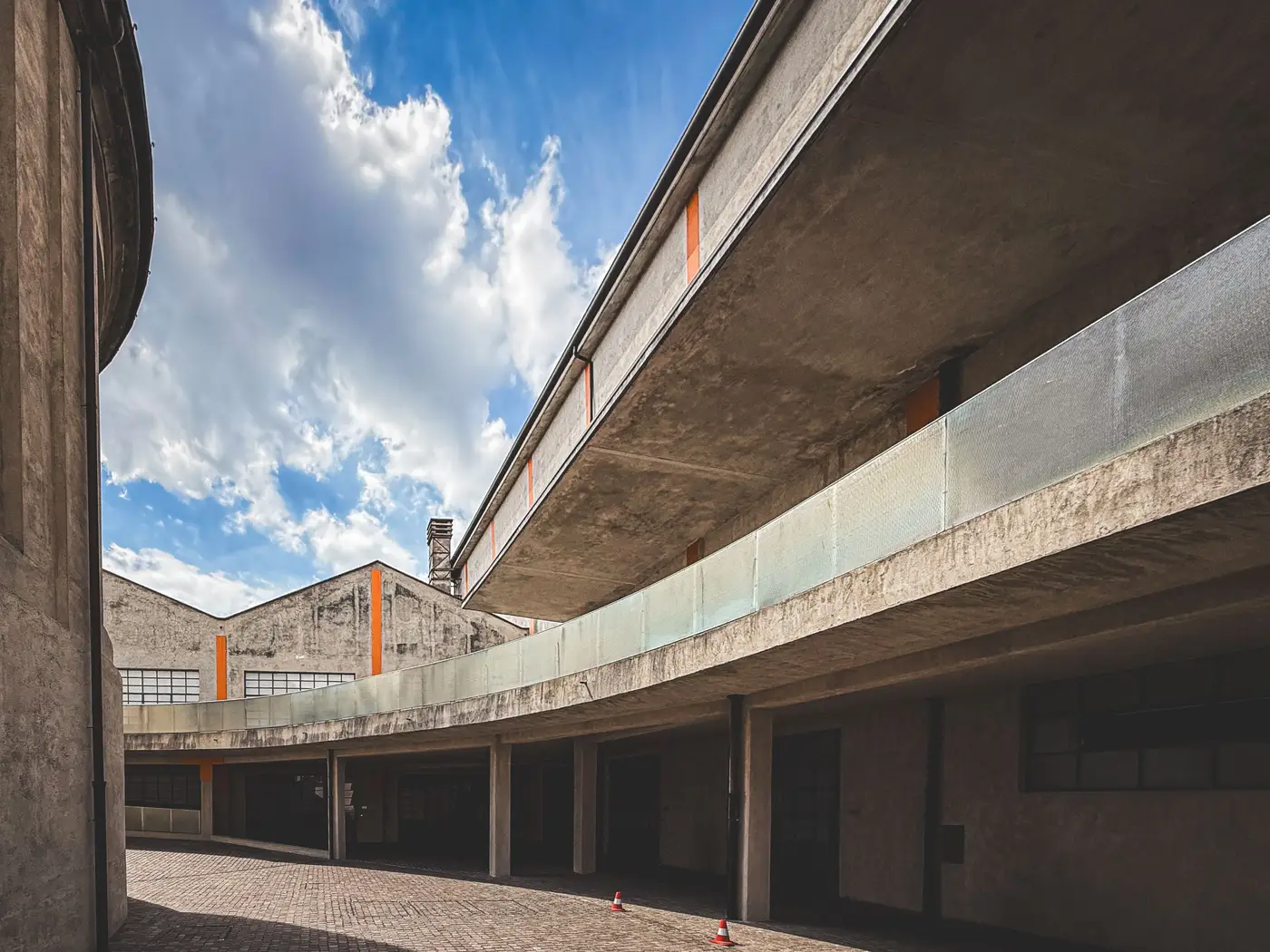
If you've spent any time on a control tower desk, you've learned to read a yard the way a mechanic reads an idle. Trucks arrive, they queue at the gate or the dock, they move through, they leave. That rhythm is just the plant breathing. A queue stall is what it looks like when the breathing stops, trucks pile up and don't move, or a line that's normally there every day just isn't.
It sounds small. It usually isn't.
What actually counts as a stall
A queue stall is a pattern break at a specific gate or dock that holds for several days, where trailer count and movement diverge from what that site normally does.
A few shapes it takes:
- Inbound backs up, outbound doesn't move. Raw material or components keep arriving, but finished goods or outbound shipments stop leaving. That's often a production line down inside the plant, not a logistics problem outside it.
- The queue disappears entirely. No trucks staged, no trailers parked, nothing moving in or out. For a plant that normally runs three shifts, an empty yard on a weekday is as loud a signal as a backed-up one.
- Dwell time stretches. The same trailers sit in the same spots for days instead of hours. Something downstream, a line, a utility, a permit, has stopped absorbing what the yard is holding.
None of these require you to know what's happening inside the building. A gate count and a dwell pattern tell you the plant's rhythm broke before anyone inside the fence picks up a phone to tell you why.
Why it's an early warning sign, not a lagging one
Most disruption signals you get today arrive after the fact: a supplier's own notification, a press release about a fire or a flood, a client escalation asking why their order is three weeks late. By the time any of those reach your desk, the plant has usually been down for days, and your mitigation window has already shrunk.
A queue stall shows up earlier because it's a physical symptom, not a communicated one. A fire doesn't need a press office to stop trucks from moving. A flood doesn't need a quarterly earnings call to shut a gate. Equipment failure, a labor action, a utility outage, a regulatory shutdown, all of them interrupt yard flow before anyone writes a statement about it. The stall is the plant's own body language, and it doesn't wait for permission to speak.
This matters most for the suppliers who never send you a heads-up at all, the tier-2 and tier-3 sites your prime contractors or distributors rely on but you don't have a direct line into. You can't call and ask how things are going. You can watch the yard instead.
What to do once you see one
A single day of reduced activity is usually noise. Weather delays trucks, a holiday slows a gate, a scheduled maintenance window parks a line for a shift. The signal worth acting on is a stall that holds for several consecutive days against that site's own normal pattern, especially when it's tied to a part or material you're actually sourcing from that plant.
That's the distinction between a dashboard you have to babysit and an alert you can act on: not "activity is down," but "activity is down, at this named plant, for this many days, and here's the part it makes." Supply Disruption Alerts watches a named list of critical plants daily and files a dated alert the moment yard activity collapses, a queue stalls, or a fire or flood signature shows up at a site tied to your sourcing list.
The short version
A queue stall is a break in a plant's normal truck flow, trucks piling up, a line vanishing, dwell time stretching, that often shows up days before any human confirmation does. It won't tell you why the plant is struggling. It tells you something is, while you still have time to do something about it.
If your sourcing list includes plants you can't call for a straight answer, that's exactly the gap this is built to close.