What is a dark site in supply chain risk monitoring?
A dark site is a plant that's stopped showing normal signs of life. Here's what the term means, how it differs from a dark store, and why it matters.
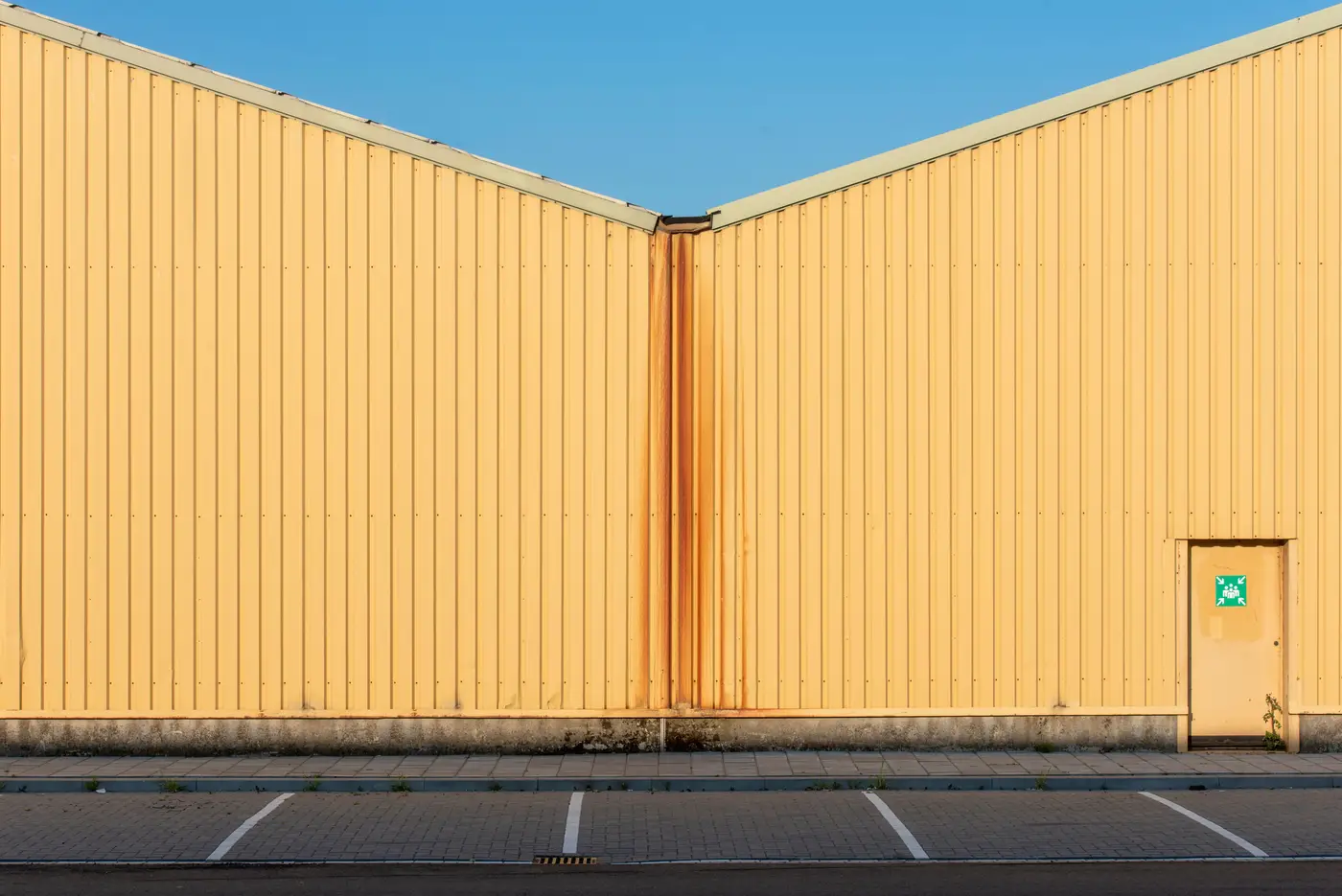
In control tower circles, "dark site" gets used loosely. Some people mean a facility that's lost power. Some mean a site your ERP has flagged as non-responsive. Some just mean "we haven't heard from them in a while and that's starting to worry me." Here's the working definition that actually holds up: a dark site is a plant, yard, or terminus that has stopped showing the physical signs of normal operation, truck movement, trailer staging, rail spot activity, even visible stack output, for long enough that you can no longer assume it's running.
Note the word "assume." Supply chain teams rarely get a dark-site announcement. Most of what teams know comes from someone downstream noticing a shipment didn't land, usually days after the plant stopped moving material, and working backward from there.
Dark site vs. dark store
Worth clearing up, because the two terms get confused in search results and in meetings. A dark store is retail and fulfillment vocabulary: a store location converted to ship online orders only, no customers walking the floor, lights dimmed, shelves repurposed as pick zones. Retailers choose that setup on purpose, to speed up online fulfillment without opening a new warehouse.
The term runs the opposite direction in supply chain risk monitoring. Nobody converted this facility into anything; it was supposed to be running and, as far as you can tell, has stopped. One term signals intent. The other signals absence of signal, nothing more.
If you landed here looking for retail fulfillment strategy, you want the dark store definition. If you're trying to figure out whether your tier-one connector plant in Monterrey is still making parts, you want this page.
How a plant goes dark
It rarely happens all at once. A fire shuts down a line but the rest of the yard keeps moving for two days while they assess damage. A flood takes out the access road before it touches the building, so trucks stop arriving before you'd notice anything on the roofline. A labor action stalls the outbound queue while inbound deliveries keep coming, because raw material still has nowhere else to go. Each of these produces a different signature in the yard, and each one usually shows up in truck and trailer activity before it shows up in a phone call.
That's the gap control tower teams live in. The supplier's own systems know something's wrong immediately. Your visibility into that knowledge usually arrives through one of three channels: a call from the supplier (which happens when it's convenient for them, not when it's useful for you), a press release (days later, after legal has signed off on the language), or an escalation from your own client asking why their order is late (which means you're already explaining a miss instead of managing one).
None of those three channels delivers word the day it happened. Plant gone dark supply chain events get reconstructed after the fact far more often than they get caught in progress, and the reconstruction usually reveals that the warning signs were sitting in a yard somewhere for 48 or 72 hours before anyone outside the plant knew.
Why "dark" is the right word, not "down"
A site can be fully powered, fully staffed, and still dark to you if nothing it's doing is visible to your systems. That's a deliberate distinction. "Down" implies you'd know. "Dark" is the more honest term for what happens most often: the facility is operating in a state you can't currently see into, and whether that state is "minor hiccup" or "line one is underwater" is exactly the thing you need to find out, fast, rather than infer from a late shipment three weeks out.
If you run a control tower against a named list of critical plants, the practical fix isn't a better phone tree. Supply Disruption Alerts checks those named sites daily and logs a dated alert the moment yard activity collapses, a queue stalls, or a fire or flood signature shows up tied to the part or material that site makes, so you're not waiting on the supplier to decide when to tell you.
Put your critical supplier list in front of Supply Disruption Alerts and start getting same-day word instead of next-earnings-call word.