How to confirm a supplier plant outage without waiting for a call
How to confirm a critical supplier's plant outage the same day, using yard activity and fire/flood signatures instead of waiting on a phone call.
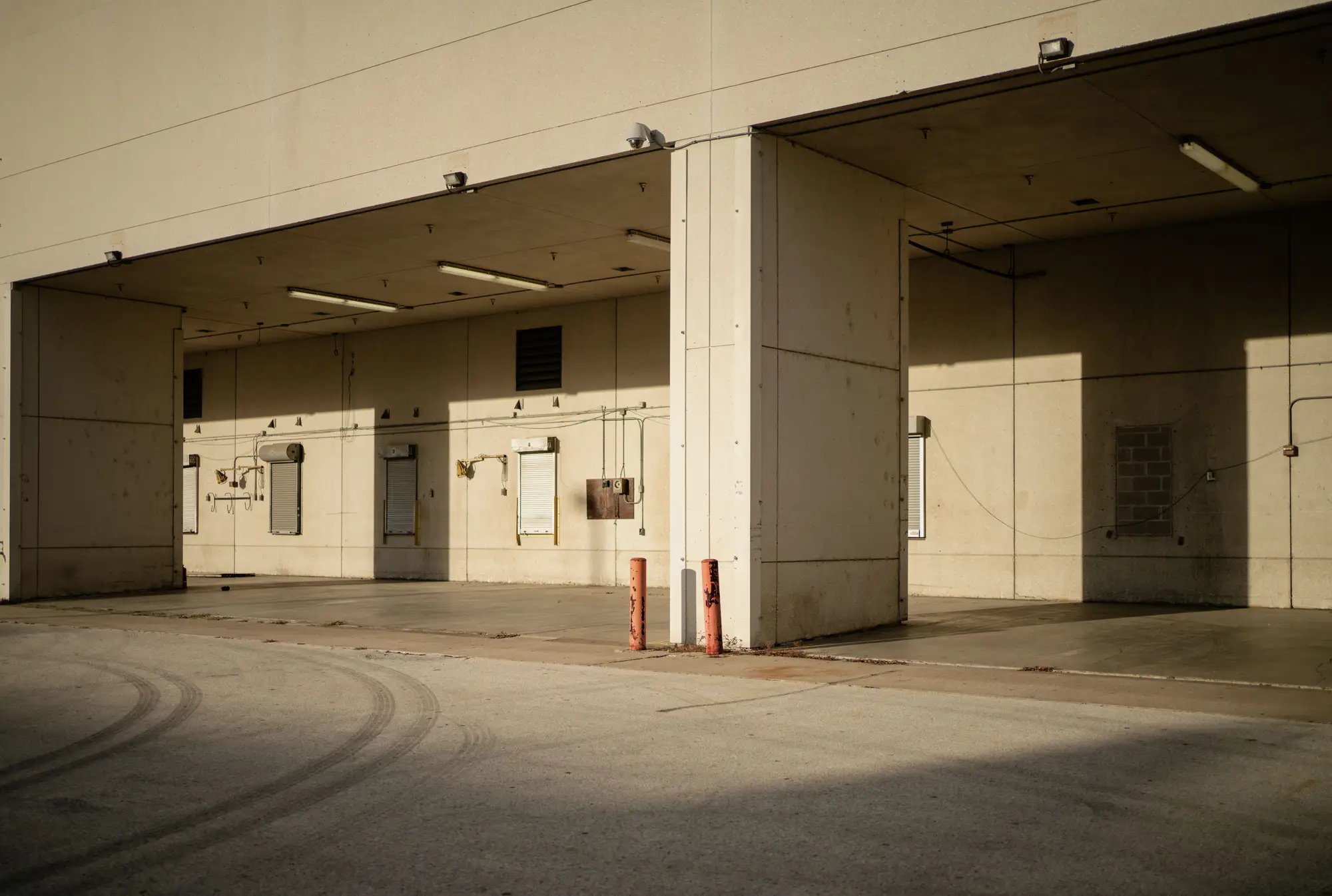
A tier-one plant goes quiet on Tuesday. Your scale house contact doesn't answer. The account manager's out-of-office says "limited capacity, please expect delays." Procurement wants an answer for the Thursday ops review, and the only thing you have is silence from one phone number. That silence confirms nothing beyond a missed call.
Most control towers are still built around that phone call as the trigger. A supplier reports the outage, or a client escalates after their own shipment slips, or someone sees a line in a trade publication days later. By the time any of those happen, the plant has usually been down long enough that the damage is already baked into your supply plan. The question worth asking isn't "when will they call us back." It's what you can confirm on your own, the same day, before the call ever comes.
Why the phone call is the slowest signal in the chain
A supplier has no reason to tell you fast. Reporting a fire, a flood, or a shutdown to every downstream account is not their first job after an incident, it's somewhere after containment, safety, insurance, and their own production recovery. Even a cooperative supplier is often working off incomplete information in the first 24 to 48 hours. So the call, when it comes, is usually a lagging indicator dressed up as news.
Press releases lag further still, because they go out when the story is already big enough to need managing. Local news coverage depends on the plant being in a market that covers industrial sites closely, which rules out a lot of the named list most control towers watch. None of these channels were built to tell a buyer "this site stopped moving material today." They were built to manage the supplier's own narrative on their own timeline.
What confirmation looks like before anyone picks up
Confirmation doesn't require someone at the plant to say the word "down." It requires evidence that the site has stopped behaving like a running plant. A few things change almost immediately when a facility goes dark, whether it's a planned shutdown gone long, an equipment failure, or a fire or flood:
Inbound and outbound truck or rail traffic at the yard drops off. A queue that normally clears by midday starts backing up and sitting. Outdoor stockpiles and staging areas stop turning over. And if the cause is a fire or flood, the visible signature of that event shows up on the ground well before any statement does.
Each of those is something you can verify without a phone number, if you're looking at the right view of the site on the right day. That's the gap between "I think they're down" and "I can show the ops review they're down, and here's the date it started."
Reading a plant's yard instead of waiting on its switchboard
A scale house reads the yard to know when volume is off. The same logic applies at a distance: daily, high-resolution imagery of a named site shows the yard activity, the queue, and the stockpiles directly, and a fire or flood signature is visible on the ground the same way it would be to anyone standing at the fence line. You're looking at the site itself, tied to the part or material it makes, on the day the activity collapsed, instead of waiting for a missed shipment to surface the problem three weeks later.
That's a materially different position for a control tower lead than "we're waiting to hear back." Instead of chasing a callback or refreshing a supplier's press page, you get a dated entry the moment the yard goes quiet or a queue stalls. Supply Disruption Alerts watches a named list of critical plants daily for exactly that signature, so the alert exists before the escalation call ever gets made.
What this doesn't replace
A dated signal that a site has gone dark doesn't tell you root cause, recovery timeline, or inventory on hand. You'll still want the supplier conversation for those. What changes is when that conversation happens. Instead of starting it to find out if there's a problem, you start it already knowing the date, and spend the call on what matters: how long, and what's the workaround.
If your named list of critical plants is more than a handful of sites, watching the yard yourself every morning isn't a plan, it's a part-time job nobody signed up for. Get a dated alert the day a watched plant's yard activity collapses instead.