How many days of no truck movement at a supplier plant is a real signal?
A framework for telling a quiet supplier yard from a real outage, and how many days of no truck movement should move your risk register.
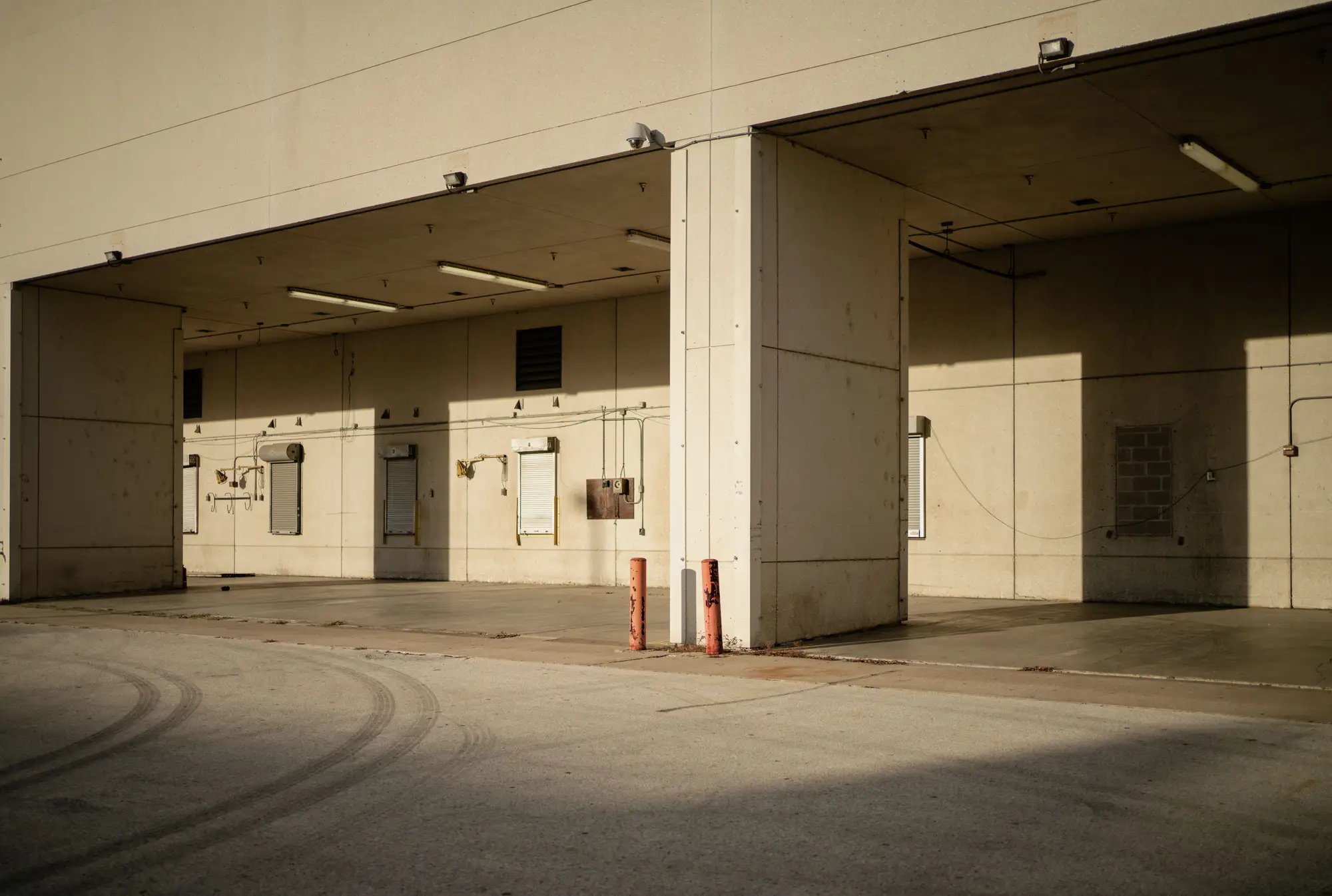
A control tower lead who has watched yards for a while knows one quiet day means nothing. Plants idle for a scheduled maintenance window, a holiday, a planned changeover. What matters is how many consecutive days of no movement separate a normal lull from a site that's down.
What counts as truck movement at a plant yard
Before you can count days, you need to know what you're counting. At a manufacturing or distribution site, "truck movement" usually means three things happening together: trailers arriving at the gate, trailers backing into dock doors, and trailers pulling out loaded or empty. A healthy yard shows all three in some rhythm across a shift, even a slow one. One without the other two is a different story. Trailers parked but not docking is a staging problem, not necessarily a plant problem. Trailers docking but never leaving is the one that should get your attention first, because it usually means product isn't moving out the door even if it's still being made.
Rail-served plants add a wrinkle. A site with heavy inbound rail can show almost no truck traffic on a normal day and still be running fine. If you're watching a plant like that, truck counts alone will mislead you, and you need the inbound side (rail cars staged, unloading activity) in the picture too.
Dwell versus a dead yard
Dwell time, trailers sitting longer than usual before they're loaded or pulled, is the early tremor. A yard running at normal count but with trailers backing up in the lot because dock throughput has slowed is a plant working through a bottleneck: a line down for changeover, a staffing gap on a shift, a quality hold. That's worth a note, not a page.
A dead yard is different. Gate activity drops to near zero across the board: nothing arriving, nothing docking, nothing leaving, for shift after shift. The yard has gone silent. The distinction matters because dwell resolves itself in a day or two as the backlog clears. A dead yard doesn't clear on its own; something stopped the plant, and until you hear otherwise, you should assume that something is still true.
How many days before it's a real signal
One day of no movement: noise. Plants have down days. Don't act on it.
Two to three days: worth a check, especially if it's a plant with a history of steady five-or-six-day-a-week shipping and this looks nothing like its normal pattern. Pull up whatever history you have on that site and compare.
Four or more consecutive days with no gate activity, on a plant that normally ships daily or near-daily: that's past the point of coincidence. At that stage you're not looking at a slow week, you're looking at a site that's either shut down, cut off from its own supply chain, or dealing with damage severe enough to stop receiving and shipping both. The exact threshold will shift by site. A plant that normally ships twice a week looks "dead" after four days in a way that's just Tuesday for that site. Know each site's baseline before you set your own trigger.
Telling a normal slowdown from a real outage
What separates the two is reading the truck count alongside everything else happening on the property. A slowdown shows idle trailers and quiet docks but an otherwise intact yard, parking lots with the usual cars, no visible damage, no queue of trucks backed up outside the gate waiting to get in. A real outage usually shows up alongside something else: a queue that's stalled rather than just slow, scorch or flood marks on roofs and lots, standing water where there shouldn't be any, or a yard that's gone quiet at a site that just had severe weather pass through its county.
That combination, dead yard plus a second signal, is what separates "check in with the supplier" from "start activating the backup." Watching for it by eye, plant by plant, across a critical supplier list is a full-time job nobody has time for. Supply Disruption Alerts watches a named list of critical plants every day and files a dated alert when yard activity collapses, a queue stalls, or a fire or flood signature shows up tied to the site.
If your critical supplier list is more than a handful of plants, it's worth seeing what a daily watch on that list looks like.