Field notes: the plant that came back online three weeks before procurement said a word
Why the restart at a critical supplier often lands three weeks after procurement hears, and what's visible at the site before the memo is.
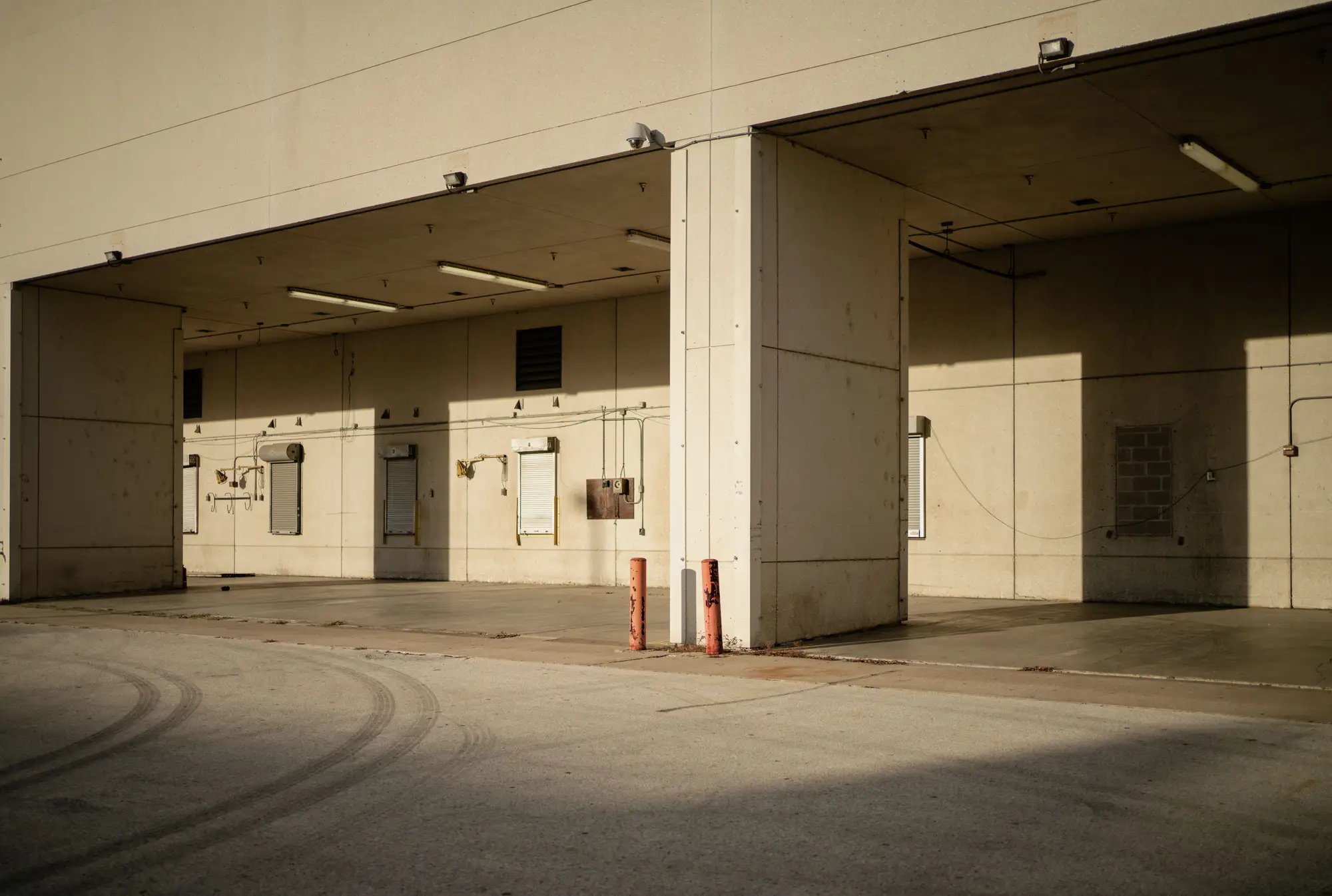
A control tower lead we talked to this fall described the moment like this: the line had been down for six weeks, word had spread through the whole org, the alternate-source conversation was already three meetings deep, and then someone forwarded an email saying the supplier expected to resume shipments "soon." Soon turned out to mean the plant had been running again for nineteen days.
That gap, the stretch between a site physically coming back to life and your organization hearing about it, doesn't get talked about as much as the outage itself. Most control towers carry a war story about the fire, the flood, the earthquake that took a critical supplier offline. Fewer people talk about the restart, because the restart is quiet. There's no press release for "we fixed it." There's no client escalation forcing someone to pick up the phone. The plant just starts running again, and the news trickles out whenever the supplier's account manager happens to update a spreadsheet nobody on your side can see.
We've started calling this the recovery lag, and it cuts both ways. The lag on the bad news side is the one most control towers have already priced into their process: you find out a plant is down because a shipment didn't show up, not because anyone called ahead. The lag on the good news side is just as real and arguably more expensive, because it sits on top of decisions you're actively paying for. Dual-sourcing contracts that were supposed to be temporary turn permanent without anyone deciding that on purpose. Premium freight keeps running on a lane that didn't need it anymore. A category manager spends a Tuesday renegotiating terms with a backup supplier for a part that's been back in production since the third week of the outage.
A plant coming back online has a physical signature before it has a paperwork signature, and that signature shows up at the site, not in an email. Trailers start queuing at the dock again. The yard, which had gone still, fills back up with the ordinary chaos of trucks coming and going. Rail spurs that sat empty start seeing cars.
None of this shows up on a supplier scorecard. It shows up in the yard itself, days or weeks before anyone files the official all-clear.
The lag exists because recovery communication runs through a totally different channel than disruption communication. When something breaks, there's urgency on the supplier's side too. Someone calls you. When something gets fixed, the incentive to call you promptly is much weaker; the supplier has their own fires to put out, their own backlog to clear, and "update the customer that we're fine again" sits a few rungs down the list. You become the last to know about your own good news.
The fix people reach for first is usually more frequent check-ins. More calls to the supplier's sales desk, a standing weekly sync, a dashboard the supplier updates themselves. All of that still depends on the supplier choosing to report on your schedule, voluntarily, rather than their own. It's the same structural problem wearing a different hat.
What actually closes the gap is watching the site the way you'd watch it for an outage, just running the tape forward instead of back. If you know what a dead yard looks like, you also know what a yard coming back to life looks like, and that signal doesn't wait for anyone's quarterly update. This is the other half of what we built Supply Disruption Alerts for: the same daily watch that tells you a plant went dark can tell you when it's stirring again, so the restart shows up as a dated entry instead of a rumor three weeks late.
Nobody throws a party when a supplier quietly comes back online. If your watch list only pings when a plant goes dark, it's missing half the story, so set it up to catch the plant coming back too.