Field notes: the Friday the plant never answers
A control tower lead's Friday ritual: the call that goes to voicemail, the ASN that never posts, and the three days you wait to find out why.
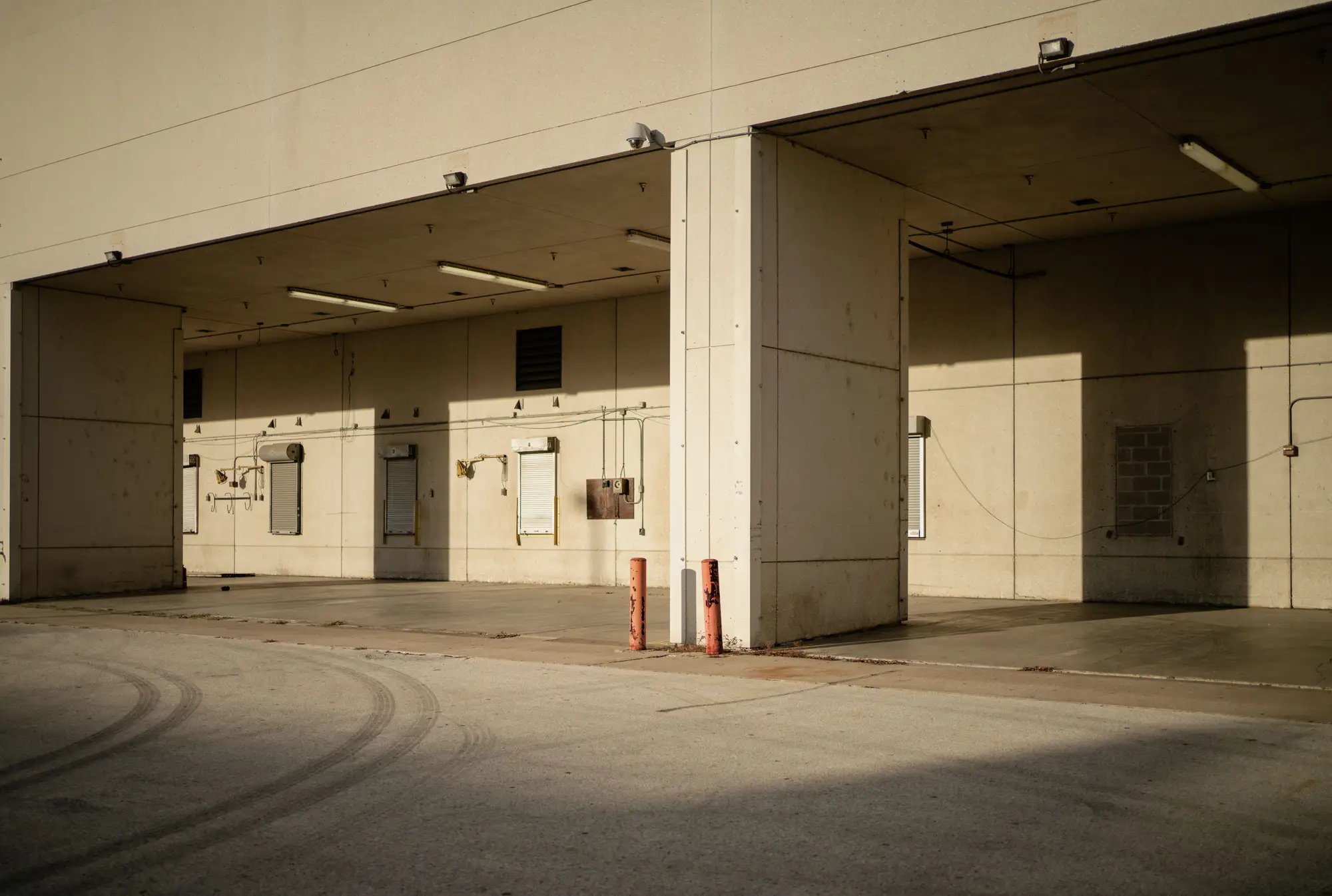
It's always a Friday. You notice on Friday because that's when the week's paperwork catches up with reality. The ASN that should have posted Wednesday still hasn't. The scale house hasn't logged a truck since Tuesday. Your buyer calls the plant's usual contact, gets voicemail, tries the backup number, gets voicemail there too, and by 3pm you're staring at a line on your dashboard that's gone quiet in a way it's never been quiet before.
You've done this enough times to know the shape of it. First you check your own systems, because half the time it's a VPN outage on your end or an EDI mapping error that's eating the 856 before it hits your ERP. Then you check the obvious things: holidays, planned shutdowns, a note buried in an email thread from three weeks ago about a maintenance window. Nine times out of ten there's a boring explanation and you close the ticket by Monday morning feeling a little silly for the adrenaline.
The tenth time is the one that matters, and it's the one you can never tell apart from the other nine until it's too late to do anything but react.
That's the real problem with a dark supplier. Silence is the only signal you get, and a quiet plant that's fine sounds exactly like a quiet plant that's underwater, on fire, or sitting on a yard full of finished goods that can't move because the rail siding is flooded. An escalation plan needs a signal that tells those cases apart, and this one doesn't. So you wait. You call again Monday. Maybe you call their other customers to see if anyone's heard anything, which is its own small humiliation, cold-calling a competitor's buyer to ask if their supplier answered the phone this week.
By the time anyone officially confirms what happened, the story usually arrives secondhand and late. A regional news item about a chemical plant fire that a junior analyst happens to catch on a Tuesday. A line in next quarter's earnings call where the OEM mentions "a temporary disruption at a key supplier" like it's old news, because it is. A client escalation that starts with "why didn't we know about this" and ends with you explaining that you found out the same way they did.
The part that sticks with people in this job isn't the disruption itself. Plants go down. Everyone in a control tower seat has made peace with that. It's the lag between the event and the knowledge of the event, the three or four days where you're flying blind on a site you've flagged as critical for exactly this reason, and nobody upstream can tell you anything because nobody upstream knows either.
What you actually want on that Friday is a system that was already watching the site before the silence started, one that flags a yard that's stopped loading trucks by Wednesday instead of leaving you to notice the ASN gap two days later. That's the gap a daily watch on a named list of critical plants is built to close. Not a replacement for the phone call, just something that fires before you have to make it.
So the next time a tier-1 goes quiet on a Friday, the question worth asking isn't "did anyone try calling again." It's whether you had any way of knowing something was wrong before the silence started counting. For most control towers right now, the honest answer is no.
Supply Disruption Alerts exists for that one Friday a year when it isn't a VPN outage.